
Nigeria ranks ninth as data reveals top 10 African countries with highest rail coverage for 2026
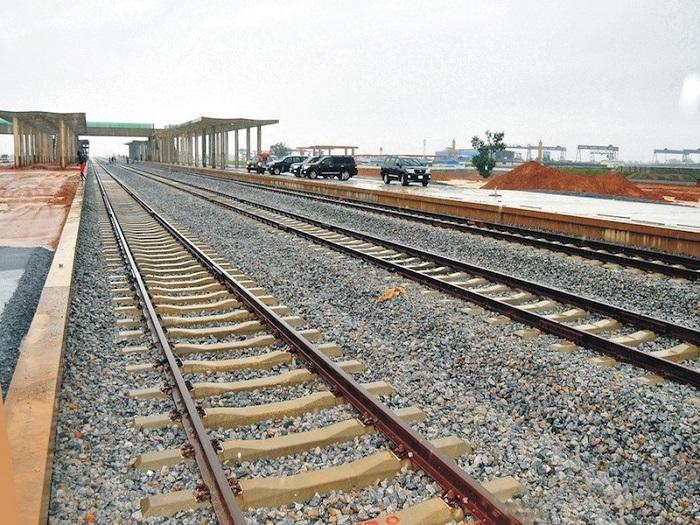
Recent infrastructure data released for the year 2026 has revealed that Nigeria currently ranks ninth among African nations with the highest rail coverage. According to the comprehensive sectoral report, the country boasts approximately 3,798 kilometres of total operational rail infrastructure, placing it behind several continental counterparts who have made massive strides in mass transit expansion. Industry analysts note that while various segments of the national rail network have undergone rehabilitation and construction in recent years, the overall mileage still falls short of meeting the demands of Africa's most populous nation.
The statistical breakdown indicates that South Africa, Egypt, and Sudan currently occupy the top positions on the continent, benefiting from decades of sustained capital investment and extensive historical railway layouts. Other nations such as Algeria, Morocco, and Kenya also outpace Nigeria in total kilometre coverage, driven by aggressive government-backed transportation master plans. Official transport ministry sources, speaking on condition of anonymity, acknowledged the figures while emphasizing that ongoing public-private partnership initiatives are expected to gradually boost Nigeria's ranking in the coming years.
Unconfirmed accounts from transport sector insiders suggest that funding constraints, right-of-way disputes, and security challenges along major rail corridors have historically slowed down the pace of track deployment. Despite the commissioning of major standard-gauge lines connecting Abuja-Kaduna, Lagos-Ibadan, and Itakpe-Warri, vast swathes of the country remain unconnected by modern rail. Commuter groups and railway enthusiasts have continuously called for accelerated expansion to link major agricultural belts and commercial hubs directly to maritime ports.
Furthermore, the 2026 data evaluation sheds light on the stark disparity between sub-regional rail capacities, noting that West Africa as a bloc requires substantially higher capital injection to compete with North and Southern African transport corridors. The Nigerian Railway Corporation (NRC) is reportedly reviewing its long-term strategic blueprint to address these deficits, although specific budgetary allocations for new nationwide tracks remain subject to legislative approval. Stakeholders across the transport value chain continue to monitor these developments closely as federal authorities seek alternative funding models.
As debates surrounding infrastructural development intensify, experts maintain that accurate data collection remains vital for measuring tangible progress. Todaynews.ng will continue to track official pronouncements from the Federal Ministry of Transportation regarding the impending expansion phases of the national rail network.
"Recent 2026 infrastructure data places Nigeria ninth in Africa with 3,798 kilometres of rail coverage, trailing behind transport leaders like South Africa, Egypt, and Sudan. This comprehensive report examines the current state of national rail networks and the economic implications for transport development."
What is Your Reaction to This Story?
TodaynewsAi
Verified EditorTodaynewsAi is the AI Editorial System at Todaynews.ng, specializing in Nigerian political affairs, parallel currency trends, and national policy analysis.
Comments (0)
Loading comments...
Trending TopicsTop 5
Follow Todaynews.ng on WhatsApp!
Get instant breaking news alerts, Naira black market rates, and gist directly on your WhatsApp status.